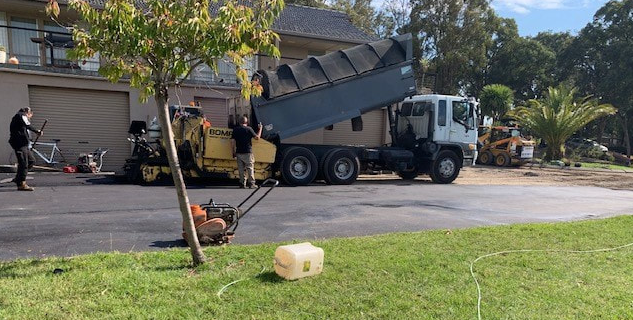
Professional road construction involves several carefully planned stages, each contributing to the strength, safety and long-term performance of the finished surface. From preparing the ground to laying the final road material, every part of the process must be completed correctly to create a durable surface that can withstand regular traffic and changing weather conditions.
For developments and infrastructure projects in Geelong, Victoria, understanding these stages helps property owners, developers and businesses appreciate the importance of professional road construction. Geelong Road Tech provides road construction and surfacing services, with an approach focused on proper preparation, suitable materials and quality workmanship.
The Main Stages of Professional Road Construction
1. Site Assessment and Initial Planning
Before construction begins, the site needs to be assessed to establish the condition of the existing ground and the requirements of the proposed road. This includes considering the intended traffic volume, vehicle types, road layout, ground levels and drainage requirements.
The assessment helps identify potential challenges, such as uneven terrain, unsuitable soil or areas where water may collect. These factors influence the construction method, materials and preparation work required.
Careful planning at this stage helps ensure that the road design is appropriate for its intended use and the conditions found on site.
2. Clearing and Site Preparation
Once the initial planning is complete, the construction area is prepared. Existing vegetation, loose material, debris and unsuitable surface layers may need to be removed to create a clear working area.
The site may also require excavation to achieve the required levels and road profile. Proper preparation is important because remaining organic material or unstable ground can contribute to settlement and surface problems later.
A clean and properly prepared site provides the foundation for the next stages of construction.
3. Earthworks and Ground Levelling
Earthworks involve shaping the ground to create the required road alignment, height and gradient. Excavation and filling may be necessary to achieve a consistent formation across the construction area.
The ground is then shaped and compacted to improve stability. Where the natural soil is unsuitable, additional treatment or replacement may be required to provide adequate support.
Accurate levelling is also important for drainage. The road needs an appropriate profile so that rainwater can flow towards designated drainage points rather than collecting on the finished surface.
4. Installing and Compacting the Subgrade
The subgrade is the prepared natural ground that supports the layers above it. Its condition has a significant influence on the overall strength and durability of the road.
The subgrade must be assessed, shaped and compacted to provide a stable base. Weak or inconsistent sections may need additional preparation before construction can continue.
If this stage is overlooked, movement or settlement in the ground can eventually lead to cracking, depressions and other surface defects.
5. Constructing the Road Base
The road base is placed above the prepared subgrade and provides an important load-bearing layer. It is commonly formed using selected crushed rock or other suitable granular materials.
The material is spread evenly and compacted to achieve the required thickness, level and density. Depending on the project, more than one base layer may be needed.
A properly constructed road base distributes vehicle loads across the underlying ground and helps prevent premature deterioration of the finished surface.
6. Applying the Road Surface
Once the underlying layers are prepared and checked, the final road surface can be installed. The chosen material depends on the road’s intended purpose, traffic requirements and site conditions.
Asphalt is commonly used because it provides a smooth, durable and practical driving surface. During installation, the material must be placed evenly and compacted correctly to achieve a consistent finish.
Attention to surface levels, joints and edges is important, as poor workmanship in these areas can allow water to enter and contribute to deterioration.
7. Finishing Work and Quality Checks
The final stage involves checking the completed road to ensure that the surface is consistent and performs as intended. This may include inspecting levels, drainage, joints, edges and areas where the surface meets existing infrastructure.
Any identified imperfections should be addressed before the road is put into regular use. Clear drainage paths are particularly important because standing water can weaken road materials and shorten the lifespan of the surface.
Quality checks help confirm that the different construction layers work together to provide a stable and functional road.
Why Professional Road Construction Matters
Each stage of road construction depends on the quality of the work completed before it. A smooth surface cannot compensate for a poorly prepared subgrade or an inadequately compacted base.
Geelong Road Tech understands the importance of proper ground preparation, suitable construction materials and careful surfacing. For projects in Geelong, Victoria, professional road construction helps create surfaces designed around their intended use and the conditions of the site.
Conclusion
Professional road construction is a structured process involving planning, site preparation, earthworks, subgrade compaction, base construction, surfacing and final quality checks. Every stage contributes to the strength, drainage and long-term performance of the finished road.
If you are planning a road construction or surfacing project, Geelong Road Tech can help you understand the work involved and identify a suitable approach. Get in touch to discuss your requirements in Geelong, Victoria, and arrange professional assistance for your project.
Call us on: 03 4159 2883
Click here to find out more about Geelong Road Tech
Click here to complete our contact form and see how we can help with your driveways.