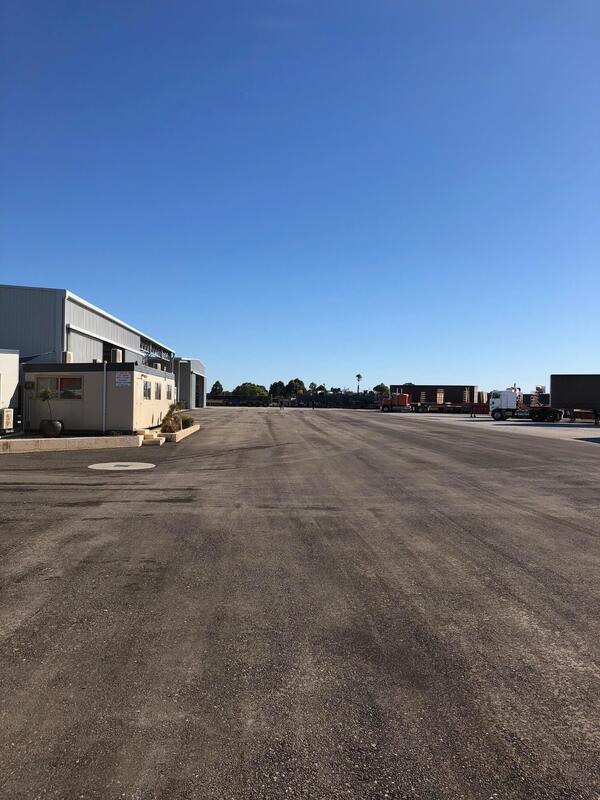
A well-constructed road provides a reliable surface for vehicles, supports safe access and helps manage the demands of regular traffic. Achieving a durable result involves more than laying asphalt or other surfacing materials. Each stage, from assessing the ground to completing the final surface, plays an important role in the road’s performance and lifespan.
For property owners, businesses and organisations in Geelong, VIC, Australia, understanding the road construction process can help when planning new access roads, private roadways, car parks or other surfacing projects. Geelong Road Tech provides road construction and surfacing services, helping clients develop practical surfaces suited to their site requirements.
1. Site Assessment and Planning
Every successful road construction project begins with an assessment of the site. The ground conditions, existing access, drainage requirements and expected traffic loads all influence the design and construction methods.
The site may need to be surveyed to establish levels, gradients and the proposed road alignment. This helps identify potential challenges, such as uneven ground, soft soil, restricted access or areas where water could collect.
Planning also considers how the finished road will connect with existing entrances and surrounding surfaces. Addressing these details early helps create a practical layout and reduces the risk of problems during construction.
2. Ground Preparation and Excavation
Once the design and site requirements have been established, the ground is prepared for construction. This may involve clearing vegetation, removing unsuitable material and excavating to the required depth.
The depth of excavation depends on the ground conditions, the intended use of the road and the structure needed to support traffic. Weak or unstable material may need to be removed or treated to create a suitable foundation.
Careful preparation is essential because defects in the underlying ground can affect the finished surface. If the foundation is uneven or unstable, the road may develop settlement, cracking or depressions as it is used.
3. Subgrade Preparation
The subgrade is the prepared ground that supports the layers above it. Its strength and stability have a direct influence on the road’s long-term performance.
During this stage, the ground is shaped, levelled and compacted to achieve the required condition. Where necessary, unsuitable areas may need further treatment or improvement.
A properly prepared subgrade helps distribute the loads imposed by vehicles and reduces the likelihood of movement beneath the road. The construction team must also consider moisture conditions, as excessive water in the ground can weaken the foundation and affect compaction.
4. Installing the Road Base
The road base provides structural support beneath the final surface. It commonly consists of selected granular material placed in controlled layers and compacted to achieve the required density.
The thickness and composition of the base depend on the expected traffic, soil conditions and intended road use. Routes carrying heavier vehicles generally require a different structural approach from lightly used accessways.
Correct compaction is particularly important. If the base is poorly prepared or unevenly compacted, the finished road may be more susceptible to rutting, cracking and premature deterioration.
5. Drainage Installation and Surface Levels
Effective drainage is a key part of professional road construction. Water that remains on the surface or enters the underlying layers can weaken the structure and contribute to potholes, cracking and erosion.
The road must be shaped to direct rainwater towards suitable drainage points. Depending on the site, this may involve surface gradients, drainage channels, pits or other appropriate systems.
Drainage should be considered throughout the design and construction process rather than treated as an afterthought. Correct levels and suitable drainage arrangements help protect the road structure and improve its performance during wet conditions.
6. Applying the Final Road Surface
Once the foundation and base are ready, the selected surfacing material can be installed. Asphalt is a common option for roads because it provides a continuous surface suitable for many types of traffic.
The material and installation method should match the road’s purpose, expected loading and site conditions. During asphalt installation, factors such as surface preparation, material temperature, even distribution and compaction influence the finished result.
A consistent surface helps provide a smoother driving experience and reduces weak spots that could deteriorate under repeated traffic. Careful finishing around edges, entrances and junctions is also important for a neat and functional result.
7. Final Inspection and Ongoing Maintenance
After construction, the completed road should be checked to ensure the surface, levels, edges and drainage arrangements meet the project requirements. Any visible defects should be identified and addressed before the road is put into normal use.
However, even a well-constructed road needs maintenance. Regular inspections can identify early signs of deterioration, such as small cracks, surface wear, drainage problems or localised settlement.
Addressing these issues promptly can help prevent water from entering the road structure and reduce the risk of more extensive damage developing over time.
Why Professional Road Construction Matters
Each stage of road construction contributes to the performance of the finished surface. A high-quality surface cannot compensate for a poorly prepared subgrade, inadequate base or ineffective drainage. The entire structure must work together to support the intended traffic and withstand changing weather conditions.
Geelong Road Tech can help clients in Geelong, VIC, Australia, assess their road surfacing requirements and identify an appropriate construction approach for their site. Careful planning and installation help create practical surfaces designed around access, durability and expected use.
Conclusion
Professional road construction involves several connected stages, including site assessment, excavation, subgrade preparation, road base installation, drainage, surfacing and final inspection. Attention to each stage helps establish a stable foundation, manage water effectively and support the long-term performance of the road.
If you are planning a road construction or surfacing project in Geelong, VIC, Australia, Geelong Road Tech can discuss your requirements and help identify a suitable solution. Contact the team to arrange a consultation for your project.
Call us on: 03 4159 2883
Click here to find out more about Geelong Road Tech
Click here to complete our contact form and see how we can help with your driveways.