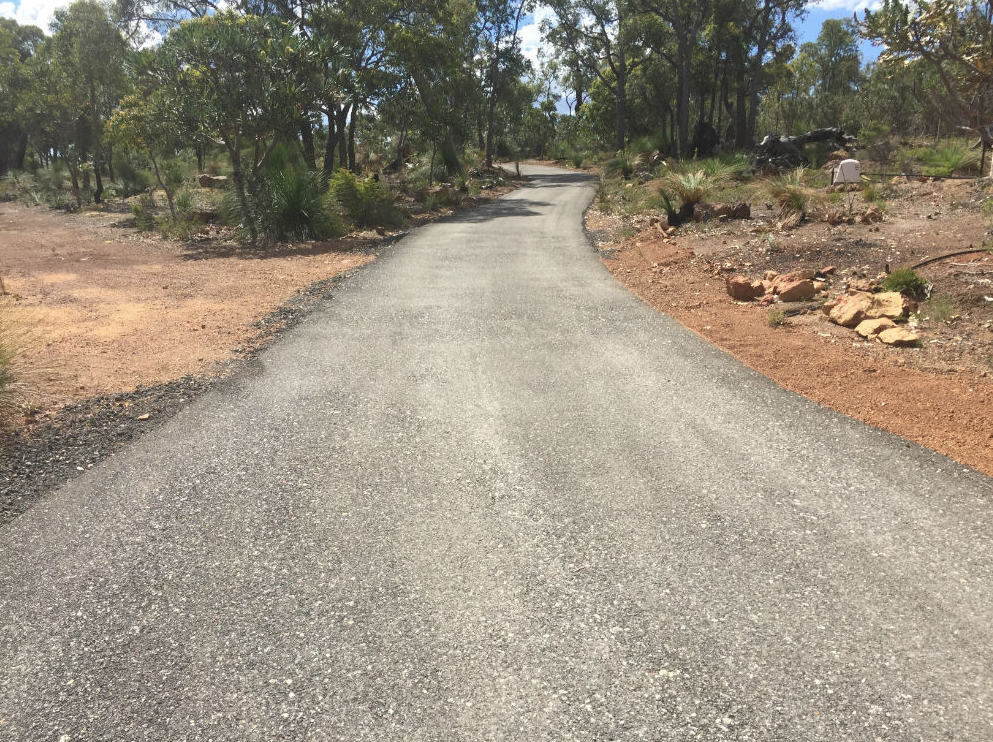
A newly laid asphalt surface should provide smooth, reliable and durable access, whether it has been installed for a driveway, car park, private road or commercial area. However, achieving a long service life depends on more than the asphalt visible at the surface. Good preparation, effective drainage, appropriate use and timely maintenance all influence how well the pavement performs.
Early deterioration is often linked to problems that could have been identified or managed before they became serious. At Geelong Road Tech, we provide professional asphalt and bitumen surfacing throughout Geelong, VIC, with careful attention to the complete pavement structure rather than focusing solely on the final layer.
Understanding what protects new asphalt can help property owners maintain its condition and recognise potential problems before they develop into widespread damage.
Start with Proper Ground Preparation
Preventing premature deterioration begins before any asphalt is laid.
The finished pavement depends on the strength and stability of the material underneath it. If the base moves, settles or loses strength, the asphalt above can eventually crack or deform.
Professional preparation may involve:
- Removing unsuitable or unstable material
- Establishing appropriate pavement levels
- Installing suitable base materials
- Compacting the pavement correctly
- Correcting weak sections
- Preparing appropriate drainage falls
The exact preparation required depends on the ground conditions and how the finished pavement will be used.
A well-prepared foundation gives the asphalt consistent support and helps distribute vehicle loads through the pavement structure.
Make Drainage a Priority
Water is one of the most significant threats to pavement longevity.
A new asphalt surface may initially appear watertight and uniform, but drainage still needs to be considered carefully. Water that continually pools in low sections or reaches the pavement base through edges and developing defects can weaken the underlying structure.
Correct grading should encourage water to move away from the main pavement rather than remain on the surface.
Watch for Standing Water
After rainfall, inspect the pavement for areas where water remains for an unusually long period.
Persistent pooling may indicate:
- Low spots
- Incorrect surface falls
- Localised settlement
- Restricted drainage paths
These conditions are worth investigating early because prolonged moisture exposure can contribute to deterioration underneath the asphalt.
Ensure the Pavement Matches Its Intended Use
Not every asphalt pavement is designed for the same traffic.
A residential driveway primarily used by passenger vehicles has different requirements from a commercial surface regularly carrying trucks or heavy equipment. If the pavement is exposed to loads significantly greater than those considered during its construction, deformation can occur.
Heavy vehicles can place particular stress on:
- Turning areas
- Entrances
- Loading locations
- Frequently used wheel paths
- Areas where vehicles remain stationary
Before construction, the intended traffic should therefore form part of the pavement design and preparation process.
Avoid Unnecessary Stress on New Asphalt
Freshly constructed asphalt needs to be treated appropriately while it settles into service.
The contractor responsible for installation should provide guidance on when and how the surface can be used. Following those recommendations helps avoid placing unnecessary stress on the pavement during its early life.
Once the surface is in regular use, repeated sharp turning by heavy vehicles or concentrated loads can place additional pressure on specific sections.
Using the pavement as it was designed to be used is an important part of protecting it.
Deal with Cracks While They Are Still Minor
Even a well-constructed asphalt surface should be periodically inspected.
If a small crack eventually develops, ignoring it can allow the problem to become more significant. Cracks provide potential pathways for water to enter the pavement, where it can begin affecting the supporting layers.
Early attention can help prevent a small defect from progressing into:
- Wider cracking
- Surface breakup
- Base deterioration
- Depressions
- Potholes
The important point is to determine why the crack appeared rather than simply covering it.
Recurring or rapidly spreading cracks may indicate movement beneath the asphalt that requires professional assessment.
Protect the Pavement Edges
The edges of an asphalt surface can be particularly vulnerable because they may not have the same lateral support as the centre of the pavement.
Repeatedly driving heavy vehicles over unsupported edges can cause cracking or sections of asphalt to break away. Once edge deterioration begins, water can enter and the damage may gradually move further into the pavement.
Maintaining suitable edge support and keeping vehicles on the intended traffic area can help protect these vulnerable sections.
Keep Drainage Paths Clear
Good drainage only works when water has somewhere to go.
Property owners should periodically check that surrounding drainage areas remain clear and that soil, vegetation or loose material has not created barriers that cause water to flow back towards the asphalt.
Changes around the property can alter how water moves even when the pavement itself has not changed.
Keeping drainage paths functional helps protect both the asphalt and the base supporting it.
Do Not Ignore Small Depressions or Rutting
Changes in surface level deserve attention, particularly on relatively new asphalt.
A depression may indicate that part of the underlying pavement has settled, while rutting can suggest that the pavement is deforming under repeated traffic loads.
Warning signs include:
- Visible wheel tracks
- Water collecting in new locations
- Sunken areas
- Localised surface movement
- Uneven transitions
Investigating these changes early can identify whether the issue is confined to the surface or involves the pavement structure underneath.
Regular Inspections Help Catch Problems Earlier
Maintaining asphalt does not require waiting until obvious damage appears.
Periodic visual inspections are a straightforward way to monitor how the pavement is performing. Pay particular attention to entrances, edges, turning areas, drainage points and sections exposed to heavier traffic.
Look for changes such as cracking, loose aggregate, depressions, standing water or localised deformation.
Early identification provides an opportunity to address deterioration while it is still limited.
Why Professional Installation Matters from the Beginning
Many of the factors that prevent early asphalt deterioration are determined during construction.
An experienced surfacing contractor considers the complete pavement system, including:
- Ground conditions
- Base strength
- Compaction
- Grading
- Drainage
- Traffic requirements
- Asphalt installation
These elements need to work together. A quality asphalt layer cannot compensate indefinitely for an unstable base or poorly managed water.
Professional construction therefore focuses on creating suitable conditions underneath the asphalt as well as achieving a smooth finished surface.
Maintenance Should Address Causes, Not Just Symptoms
When deterioration does occur, the most effective response depends on why it happened.
For example, repeatedly repairing a crack caused by underlying movement will not necessarily prevent it from returning. Similarly, repairing a pothole without addressing persistent water infiltration may leave the pavement vulnerable to another failure.
Professional assessment can identify whether maintenance should involve surface repairs, drainage improvements, base correction or more substantial resurfacing.
Treating the cause helps preserve the pavement more effectively than repeatedly responding to the visible symptom.
Conclusion
Preventing early deterioration of a new asphalt surface starts with correct pavement construction and continues with sensible use and proactive maintenance. A stable base, thorough compaction, effective grading and good drainage provide the foundation for long-term performance, while regular inspections help identify cracking, rutting, water pooling and other problems before they spread.
At Geelong Road Tech, we provide professional asphalt and bitumen surfacing throughout Geelong, VIC, with careful attention to preparation, drainage and long-term pavement performance. If you are planning a new asphalt surface or have concerns about how an existing pavement is performing, contact our team to arrange an assessment and discuss a suitable surfacing or maintenance solution for your property.
Call us on: 03 4159 2883
Click here to find out more about Geelong Road Tech
Click here to complete our contact form and see how we can help with your driveways.