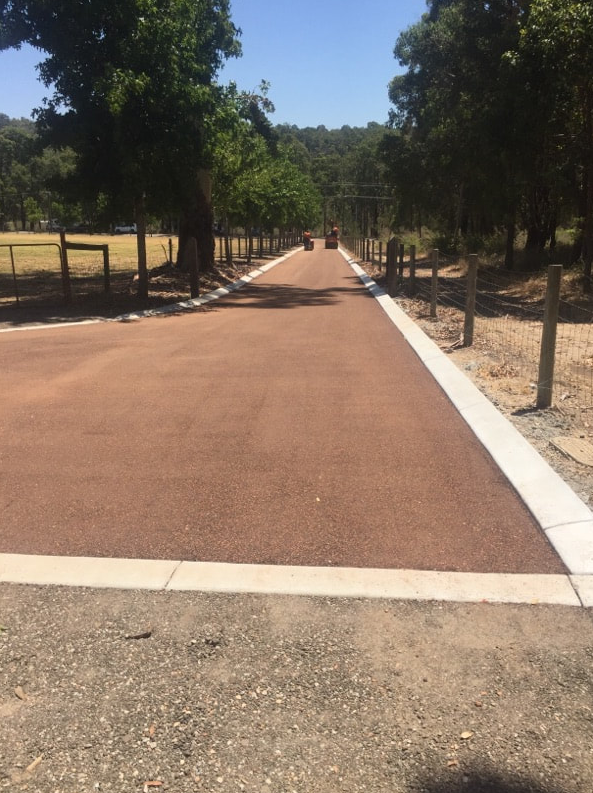
A well-constructed road needs more than a smooth finished surface. Its long-term performance depends on careful planning, proper ground preparation, effective drainage and the correct installation of each structural layer. When these stages are completed correctly, the finished surface is better equipped to withstand traffic, weather and everyday wear.
For properties and developments in Geelong, VIC, understanding the main stages of road construction can help you recognise the importance of professional preparation and workmanship.
What Is Involved in Road Construction?
Road construction involves creating a stable foundation before installing the final driving surface. Although individual projects vary depending on their intended use, ground conditions and traffic requirements, most follow a series of carefully planned stages.
Each stage contributes to the strength and durability of the finished road. Problems with the foundation or drainage can eventually affect the surface above, which is why preparation should never be overlooked.
Site Assessment and Planning
The first step is assessing the proposed construction area. The ground needs to be examined to identify existing conditions, levels, drainage requirements and any potential issues that could affect construction.
The intended use of the road is also important. A surface designed for light residential traffic will have different requirements from one expected to accommodate heavier vehicles.
Proper planning helps determine the appropriate construction method, materials and depth of the underlying layers.
Clearing and Ground Preparation
Before construction begins, unsuitable materials, vegetation and debris are removed from the site. The ground is then prepared to create a suitable formation for the road.
Any soft or unstable areas may need to be addressed before the structural layers are installed. If weak sections are left underneath the road, they can contribute to settlement, cracking and surface deformation later.
Careful preparation at this stage provides a more reliable foundation for everything that follows.
Establishing the Road Formation
The ground is shaped and levelled to achieve the required profile. This helps establish the correct road levels and provides the necessary falls for water to move away from the surface.
Compaction is particularly important. The prepared ground needs to be sufficiently compacted to reduce movement and create a stable platform for the base layers.
Inadequate compaction can lead to settlement and uneven areas once the road is in use.
Installing the Sub-Base and Base Layers
The sub-base forms a major part of the road’s structural support. Suitable aggregate is placed over the prepared formation and compacted to create a strong, stable layer.
Depending on the project, additional base material may then be installed to provide further structural strength.
The thickness and composition of these layers should reflect the expected traffic and ground conditions. Correct installation helps distribute loads through the road rather than allowing excessive stress to reach the underlying soil.
Drainage and Water Management
Water is one of the most important considerations in road construction. If water becomes trapped beneath or around the road, it can weaken the supporting ground and contribute to potholes, cracking and other forms of deterioration.
Drainage systems, surface falls and appropriate construction details help direct water away from vulnerable areas.
Effective water management should therefore be considered as part of the overall road design rather than treated as an afterthought.
Installing the Final Surface
Once the underlying layers are properly prepared and compacted, the final road surface can be installed.
The chosen surfacing material depends on factors such as the intended use, traffic levels, site conditions and desired finish. The surface must be installed consistently and correctly to create a smooth, durable driving area.
Attention to edges, joints and transitions is also important because poorly finished areas can become vulnerable to water entry and premature deterioration.
Quality Checks and Finishing Work
Before the road is completed, the finished surface and surrounding areas should be checked for consistency, levels, drainage and signs of defects.
Any necessary finishing work can then be completed to ensure the road performs as intended. Good construction is not simply about making the surface look finished; it is about ensuring the layers beneath it have been installed correctly.
Why Professional Road Construction Matters
A durable road relies on the relationship between its different components. A high-quality surface cannot compensate for poor ground preparation, inadequate drainage or insufficient compaction underneath it.
Professional road construction takes these factors into account from the beginning. Proper planning and construction techniques can help create a surface that remains functional and dependable under regular use.
For projects in Geelong, VIC, working with an experienced local contractor can also help ensure that the construction approach is suited to the site’s specific requirements.
Road Construction Services in Geelong, VIC
A long-lasting road starts beneath the visible surface. From site preparation and compaction to drainage, sub-base installation and final surfacing, every stage has a role in determining how well the finished road performs.
Geelong Road Tech provides professional road construction services in Geelong, VIC, with attention given to the preparation and structural requirements of each project. If you are planning a new road or need professional advice about a road construction project, contact Geelong Road Tech to discuss your requirements.
Conclusion
Successful road construction depends on careful preparation, suitable materials, effective drainage and accurate installation of every structural layer. By addressing the foundation as well as the finished surface, it is possible to create a road that is better equipped to withstand everyday traffic and changing conditions.
For road construction requirements in Geelong, VIC, professional planning and workmanship can make an important difference to the long-term performance of the finished surface.
Call us on: 03 4159 2883
Click here to find out more about Geelong Road Tech
Click here to complete our contact form and see how we can help with your driveways.